EnviroEx provides commercial pest control and bird proofing across Manchester City Centre, including Spinningfields, the Northern Quarter and Castlefield. We deal with rats, mice, cockroaches, bed bugs and roosting pigeons for offices, restaurants, shops, hotels and apartment blocks, with a written record of every visit. Surveys are arranged promptly; call or use the enquiry form to book.
Premises first: shared buildings and shared routes
City-centre premises are often in buildings where units share service yards, bin stores, basements and drainage. A problem that starts in one kitchen or loading bay can reach the unit next door within weeks, whether the building is an office tower, a hotel, a shopping centre or a converted warehouse.
We plan contracts around those shared routes: monitoring points mapped to them, visits before opening or after close, and a written report after every attendance for the HACCP file or the landlord’s compliance folder.
Food halls, food courts and busy concourses
Wherever several food businesses trade under one roof, pest control has to look beyond a single unit. German cockroaches move between counters along shared services, and mice follow food waste through common corridors.
An Environmental Health Officer inspecting one business will still expect that business’s own records, whatever its neighbours are doing, so each operator needs its own contractor, site plan and visit reports. Our food premises pest control service is built around producing that file. Signs to look for include droppings near stock, grease-smeared runs along walls, small brown insects around warm equipment and a musty smell in storage.
Pigeons, listed frontages and proofing
Older and listed buildings typically offer the ledges, window reveals and cornices that pigeons roost on, and fixing proofing to listed fabric may need consent first. Fouling on walkways and entrances is a slip and hygiene hazard, and a building that still offers ledges will draw birds back.
The lesson for any premises is practical: proofing has to be specified for the structure, fitted properly and inspected afterwards. Wild birds are protected under the Wildlife and Countryside Act 1981, and lethal control is lawful only under licence, so proofing is where most jobs begin. We check the licence position, nest activity and listed status at each survey.
Rats, construction and old drains
Vacant buildings, roadworks left open, litter, fly-tipping and bins left to overflow all suit rats. Large-scale construction and groundworks commonly displace rats from established burrows and old drain runs, pushing them towards neighbouring buildings.
Where a building has cellars, old drainage connections or a waterside boundary, rodent monitoring belongs at drain and wall-base level, not only in the kitchen. If building work starts next to your premises, increase monitoring for a few months, check door seals, drain covers and pipe entries, and keep a dated record.
Flats above the shop: the domestic picture
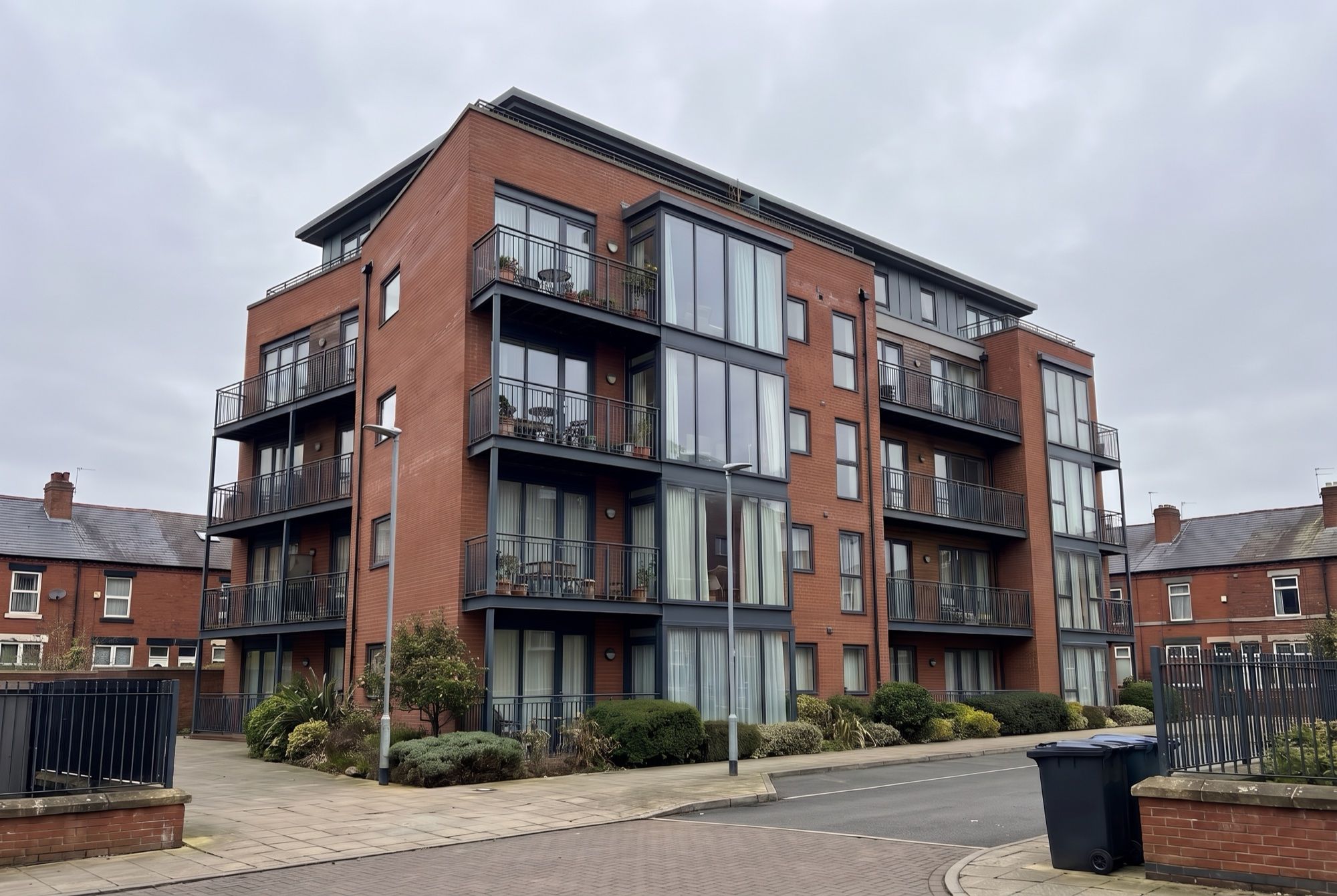
Many city-centre homes are flats in converted warehouses or newer towers, and some share a building with commercial tenants. In shared blocks the landlord or managing agent usually needs to be involved from the start.
Cockroaches and bed bugs travel along risers, heating pipes and corridors, so treating one flat while its neighbours wait tends to fail. Responsibility under the Housing Health and Safety Rating System and the Homes (Fitness for Human Habitation) Act 2018 depends on the cause and the tenancy, so we record what was found, how it got in and what was done. Frequent moves bring luggage and second-hand furniture, both common routes for bed bugs. Our pest control for landlords service covers block-wide treatment and the paperwork that goes with it.
What help can you get from the council?
Many councils run a pest control service for residents, but which pests are covered, who can book, whether business premises qualify and what it costs vary and can change.
A single visit can settle a one-off domestic problem. A food business facing inspection, or a managing agent who needs a planned schedule and a record of every visit, is usually better served by a contract with monitoring between visits.
What does Manchester City Council offer?
Many councils offer a pest control service, but which pests are covered, who can book, whether business premises qualify and what it costs all vary and can change. Check the council's own pest control pages for current details before you book.
See the council's pest control page (checked 2026-10-24).
Our services in Manchester City Centre
Bird Control & Proofing in Manchester City Centre
Older and listed frontages offer ledges, window reveals and cornices that pigeons roost on, so proofing must suit the building fabric and may need consent before it is fixed.
Cockroach Control in Manchester City Centre
Where converted buildings combine kitchens, offices and flats, German cockroaches can move between uses along shared risers and drainage unless every floor is treated in the same round.
Food Premises Pest Control in Manchester City Centre
Food halls, food courts and station-style concourses put many kitchens under one roof, so each operator needs its own pest-management file for the inspector.
Rat & Mouse Control in Manchester City Centre
Building works, open roadworks and old drain runs can push rats into neighbouring buildings, so boundary and drain-level monitoring is worth increasing while works are nearby.
Bed Bug Treatment in Manchester City Centre
Hotels change guests constantly and city-centre flats see frequent moves, so luggage and second-hand furniture remain common routes in.
Commercial Pest Control in Manchester City Centre
Mixed-use schemes with offices, shops and hotels need scheduled monitoring, tamper-resistant stations in service areas and reports a facilities team can file.
Also available in Manchester City Centre:
Pest control in Manchester City Centre: your questions answered
Do you cover all of Manchester City Centre, including Spinningfields, Castlefield and the Northern Quarter?
Yes. We work across the centre, including Spinningfields, Castlefield, the Northern Quarter, NOMA, St John's and the streets around Market Street and Piccadilly Gardens. We also cover the districts on its edge, such as Ancoats, New Islington and Mayfield, and Salford across the river. A business with units in several of these areas can have them all on one contract, with one reporting schedule and visits planned around trading hours.
Will the council deal with pests at our business premises?
Check before relying on it. Check Manchester City Council's website for current pest control services and charges. A food business will usually need more than a single visit anyway: monitoring between visits and a written report of each one.
Our unit is inside a shopping centre or station concourse. Who arranges pest control?
Often both you and the landlord, each for different areas. Leases in managed centres commonly make each tenant responsible for pests inside its own unit, while centre management deals with common parts, service corridors, bin stores and shared drainage. Check your lease, then make sure your contractor's reports cover your unit fully, because an Environmental Health Officer inspecting your food business will expect records of your own. We can liaise with centre management on access, permits to work and visits outside trading hours.
Our offices are in a newer scheme. Do we still need pest control?
Usually, though the risks differ from an old warehouse. In newer buildings, pests tend to arrive with deliveries, catering and waste, or move in from construction nearby. The estate team normally covers loading bays, bin stores and common parts, while each occupier handles its own kitchens and tea points, so agree one monitoring plan and shared reporting between you.
Does the building work around the centre bring more pests?
It can. Demolition or groundworks often disturb rats living in old drains and voids, pushing them towards occupied buildings nearby. New and refurbished units can also inherit unsealed gaps around services. If a site next to your premises is being cleared, it is worth increasing monitoring for a few months, checking door seals, drain covers and pipe entries, and keeping a written record in case you need to raise it with the developer.
Do you work with managing agents of apartment blocks and towers?
Yes. In converted warehouses and in towers, pests can travel through shared risers, corridors and bin rooms, so treating flats one at a time rarely works. We agree an access plan with the agent, notify residents, treat the affected flats in the same round and inspect the common areas. Each visit is written up so the agent can show leaseholders, tenants or the council what was found, where it came from and what was done.
Nearby areas we cover
Sources (1)
Last updated: