EnviroEx provides pest control and bird proofing for restaurants, bars, offices, shops and managed apartment blocks in the Northern Quarter and Ancoats, including Stevenson Square, Oldham Street and New Islington. We treat rats, mice, cockroaches, flies and pigeons, survey before treating and report in writing. Call or send an enquiry to book a prompt survey.
Who calls us in the Northern Quarter and Ancoats?
Oldham Street was one of the city centre’s main shopping streets until the 1970s, when the building of the Arndale saw most of its long-standing stores close or move. Today it and the streets around it are known for independent trade: record and vintage shops, cafés, bars, music venues and a comedy club, with Afflecks housing dozens of independent traders where Church Street and Dale Street meet Oldham Street. Much of it trades from buildings put up before the Second World War.
Over Great Ancoats Street the mix changes. Restored industrial buildings such as Beehive Mill on Jersey Street and the Flint Glass Works hold offices, coworking floors and serviced suites, and Ancoats now has a busy independent trade in wine bars, neighbourhood restaurants and pubs. Newer schemes have commercial space of their own; Sawmill Court was planned with eight commercial units meant for cafés, restaurants, shops or small firms.
Most people who contact us here have someone to answer to: a kitchen manager expecting an environmental health visit, an office manager whose tenants found droppings in a shared tea point, a managing agent fielding a complaint from a fourth-floor flat, or an owner who wants pigeons off a listed frontage. Every visit ends with a written report that can go straight into a HACCP file, a facilities log or a landlord’s records.
Why does pavement waste matter so much here?
A sack on the pavement is easy food. Rats forage along building lines after dark and chew through thin bags, birds tear them open at first light, and spillage from a split bag can keep rodents in a nearby drain or wall void fed. The risk rises when bags go out hours before collection or sit against a wall with open gaps around pipes and air bricks.
Our surveys follow the whole route a bag takes, from kitchen to back door to the spot where it waits for the lorry. Fixes are usually practical: hold waste in a lidded, rodent-resistant container indoors until shortly before collection, double-bag food waste, wash down the bag-out point and seal gaps at the foot of the wall beside it. Businesses also carry a duty of care for their own waste under the Environmental Protection Act 1990, so a written routine helps on compliance as well as pests.
Why do the canals matter for rat control?
The Rochdale Canal runs along the Northern Quarter’s edge at Piccadilly Basin and on through Ancoats, passing Dale Street Lock and Brownsfield Lock. At Ducie Street Junction the Ashton Canal branches off and heads east through Ancoats; the Canal & River Trust describes it as a green link running out of the city centre.
Whichever account fits a given street, the method holds: find the harbourage, remove the food and close the route in. On canal-side sites that means checking drainage and rodding points, placing any external bait in tamper-resistant stations in line with CRRU stewardship guidance, and proofing balconies and lower facades on residential blocks.
How do you proof a listed mill without damaging it?
Ancoats became a conservation area in 1989, and its Grade II* buildings include Beehive Mill, Murrays’ Mills, Brownsfield Mill, Paragon Mill, Royal Mill and the Daily Express Building. Oldham Street lies in a part of the city that sits on a tentative list for UNESCO World Heritage status.
Flats, block managers and build-to-rent
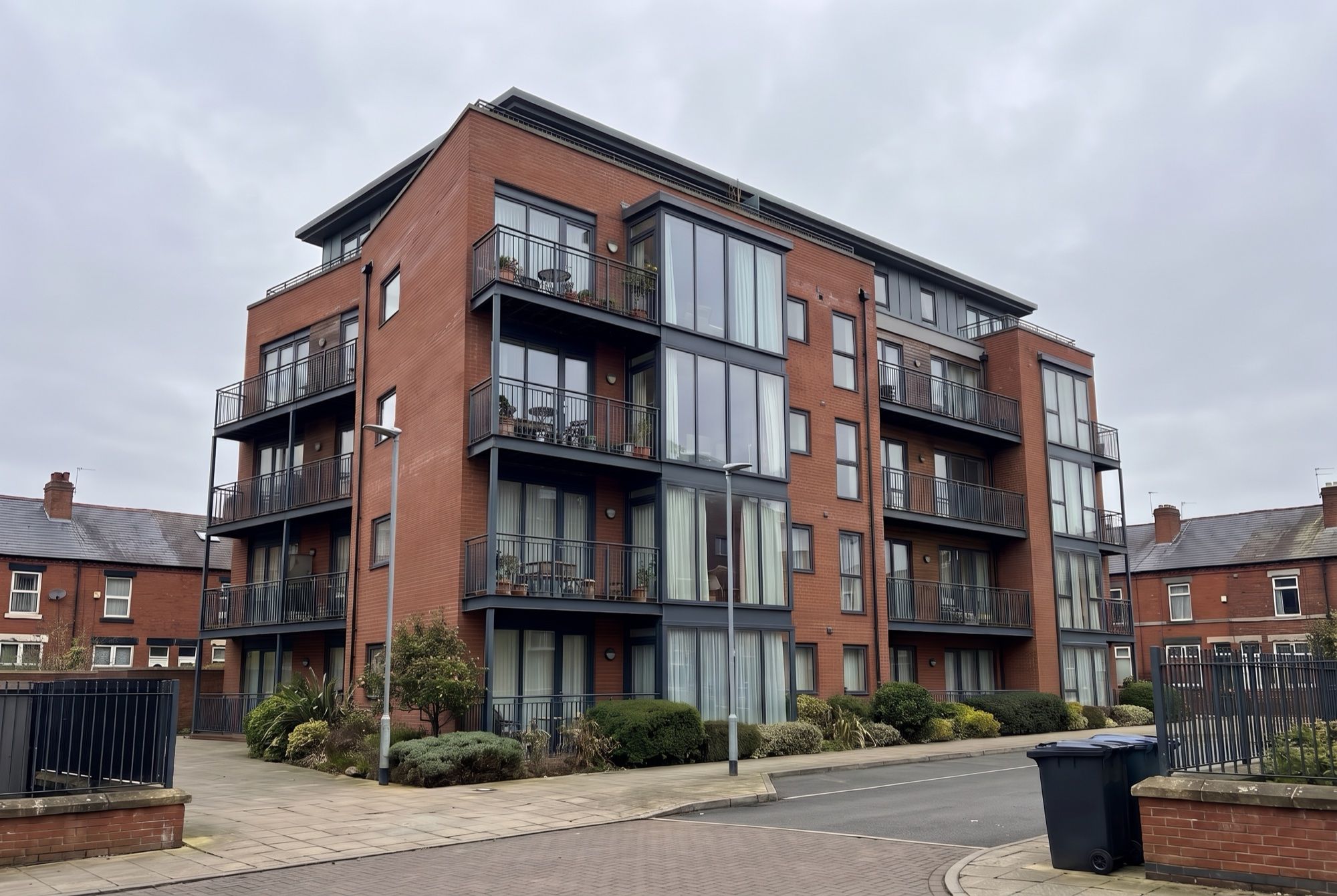
Much of the housing here is flats. Smithfield Gardens, from the 1970s and 1980s, was the Northern Quarter’s first modern housing scheme, and some of the area’s old industrial and warehouse buildings have been converted into flats. In Ancoats, Murrays’ Mills now holds more than 120 apartments, Sawmill Court was planned with 158 flats to rent, and New Islington, known for decades as the Cardroom Estate, is being redeveloped as one of the seven Millennium Communities. The Grade II Victoria Square tenement on Oldham Road, dating from 1889, remains part of the housing stock.
Pests in blocks like these rarely keep to one flat. German cockroaches and bed bugs travel along pipe runs and risers, and mice move through service voids between floors, so treating one apartment while its neighbours go untreated tends to fail. We work through the block manager or letting agent where we can, inspecting affected flats, bin rooms and risers together. Pests fall within the domestic hygiene, pests and refuse hazard under the Housing Health and Safety Rating System, and the Homes (Fitness for Human Habitation) Act 2018 gives tenants a route to court over an unfit home. Our pest control for landlords service produces a report for every flat visited.
Council service or private contractor?
Many councils run a pest control service for residents, but what is covered, who can book and the charges all vary and can change, so check the council’s own pest control pages before you book. If you rent from a council or housing association, report the problem to your landlord first. If you would rather book a private firm, phone or use the enquiry form and we will arrange a survey.
What does Manchester City Council offer?
Many councils offer a pest control service for residents, but which pests are covered, who can book and what it costs all vary and can change. Check the council's own pest control pages for current details before you book, and if you rent, ask your landlord who is responsible for treatment.
See the council's pest control page (checked 2026-10-24).
Local context that shapes pest problems in Northern Quarter & Ancoats
- Most Northern Quarter buildings pre-date the Second World War, and Oldham Street was one of the city's main shopping streets until the 1970s, when the arrival of the Arndale drew its established stores away. [Wikipedia]
- A 2011 report covered the prosecution of a nightclub operator off Oldham Street after around 40 bags of bar waste built up around its bins; the council said such build-up can attract vermin. [Place North West]
- Northern Quarter residents said in 2019 that buildings near the canal routes had the worst rat problems, with rats reaching flats via wooden balconies and windows; a council spokesperson said its officers had seen no increase in rodent reports there. [International Business Times]
- Ancoats lies on the Rochdale Canal's city-centre stretch, which includes Brownsfield Lock, the Ashton Canal junction and Dale Street Lock. [Wikipedia]
- The Ashton Canal branches off the Rochdale Canal at Ducie Street Junction in central Manchester and heads east through Ancoats. [Wikipedia]
- Ancoats was designated a conservation area in 1989, and its Grade II* buildings include Murrays' Mills, Brownsfield Mill, Paragon Mill, Royal Mill and the Daily Express Building. [Wikipedia]
- Sawmill Court in Ancoats was planned with 158 rental apartments plus eight commercial units intended for cafés, restaurants, shops or small firms. [About Manchester]
Our services in Northern Quarter & Ancoats
Cockroach Control in Northern Quarter & Ancoats
Where a converted mill or pre-war warehouse puts kitchens, bars, offices and flats under one roof, shared risers and drainage let German cockroaches travel between units, so we survey beyond the unit that called us.
Food Premises Pest Control in Northern Quarter & Ancoats
Independent restaurants, cafés and bars are packed into a few streets here and trade waste is left out in bags on the pavement, so waste routines and inspection-ready records carry real weight with an EHO.
Rat & Mouse Control in Northern Quarter & Ancoats
The Rochdale and Ashton canals meet on the area's edge and run through Ancoats, and local reporting has tied the worst rat problems to canal-side blocks entered via balconies and windows.
Bird Control & Proofing in Northern Quarter & Ancoats
Ledges, window reveals and redundant fittings on old mill and warehouse frontages can shelter pigeons, and on the Grade II* mills of the Ancoats conservation area the proofing has to respect the listed fabric.
Pest Control for Landlords in Northern Quarter & Ancoats
Many homes here are flats in converted mills and warehouses or newer rental blocks, so a pest report often lands with a block manager, letting agent or landlord rather than a single householder.
Commercial Pest Control in Northern Quarter & Ancoats
Offices and coworking floors in restored industrial buildings, Beehive Mill and the Flint Glass Works among them, need discreet monitoring that works around shared kitchens and tenants on separate leases.
Also available in Northern Quarter & Ancoats:
Pest control in Northern Quarter & Ancoats: your questions answered
Do you cover New Islington, Piccadilly Basin and the streets around Stevenson Square?
Yes. We work on both sides of Great Ancoats Street: the Northern Quarter streets between Back Piccadilly, High Street and Great Ancoats Street, the Ancoats mill streets around Jersey Street and Blossom Street, New Islington by the marina, and the canal-side blocks at Piccadilly Basin. Premises facing Shudehill or close to Victoria station are covered too. Tell us the street, the building type and any access restrictions when you get in touch, and we will plan the survey around deliveries and trading hours.
What does Manchester City Council offer for pests in this area?
Many councils run a pest control service for residents, but what is covered, who can book and the charges all vary and can change, so check the council's own pest control pages before you book. If you rent from a council or housing association, report the problem to your landlord first. If you would rather book a private firm, phone or use the enquiry form and we will arrange a survey.
Is the rat problem as bad as local news coverage has suggested?
Council services and charges change, so check the council's own website for the current position, and if you rent, ask your landlord first.
Can you fit bird proofing to a listed mill in the Ancoats conservation area?
The council's own pages are the place to confirm what it currently covers and charges; if you would rather use a private firm, get in touch and we will arrange a visit.
Rats are reaching our canal-side apartment from the balcony. Who should deal with it?
In a managed block the owner or managing agent normally needs to lead, because the route in is usually through shared structure, planting or bin stores rather than one flat. Residents told reporters in 2019 that the worst Northern Quarter rat problems were in blocks near the canals, with rats climbing wooden balconies and coming in through windows. We inspect the balcony, the facade below and the ground-level harbourage, then give the agent a written list of proofing and waste actions. Tenants should report the problem to their landlord or agent in writing.
We manage offices in a converted Ancoats mill. What does a pest programme there involve?
Mostly monitoring and proofing rather than routine treatment. Restored Ancoats buildings such as Beehive Mill and the Flint Glass Works now hold offices, coworking floors and serviced suites, and in buildings like these the pressure points tend to be shared kitchens and tea points, risers, floor voids and bin stores, with pigeons on ledges above the entrances. We map monitoring points to those areas, visit outside working hours where tenants prefer it and send the facilities team a report after each visit, keeping common parts separate from individual suites on separate leases.
Nearby areas we cover
Sources (8)
Last updated: