EnviroEx handles pest control and bird proofing across Trafford, including Trafford Park, Stretford and Sale, for warehouses, food outlets, offices, shops and landlords, and for householders too. A prompt site survey comes first; we then treat rats, mice, insects and pigeons and supply written records for audits. Phone or use the enquiry form to arrange a visit.
Why do industrial estates need boundary and goods-in monitoring?
Large estates with waterside edges, open yards and constant deliveries give pests several ways in. Brown rats use canal and river banks as travel routes, and the open yards, skips and loading bays common to industrial sites give them cover and food close to the buildings.
Freight is the second way in. Every inbound load or returned pallet is a chance for mice or stored-product insects to reach storage space unnoticed. On these sites we place tamper-resistant stations along the boundary and at dock doors, add insect monitoring where dry goods are held, and write up trends in a report an auditor can follow.
Why does the whole premises matter to hospitality businesses?
The Food Hygiene Rating Scheme looks at how food is handled, the condition of the building, pest control included, and how food safety is managed. A spotless kitchen will not offset droppings in a function room or a stock cage. Our food premises pest control therefore covers the whole footprint: bars, kiosks, suites, cellars, stock rooms and bin stores.
Scale brings its own risk. Where many kitchens trade side by side, pests can move through shared ceiling voids and waste routes, so each operator needs its own records as well as whatever the centre’s management arranges.
How do rivers, canals and brooks shape rat activity?
Where a property sits near a river, canal or brook, rats use the banks and the damp, sheltered edges to travel between sites. Green space, allotments and gardens close to the water add food and cover, so the pressure often follows the watercourse rather than the postcode.
Flooding sharpens this. Rising water floods bankside burrows and drives rats towards buildings, so activity can spike after heavy rain. We check drains and boundaries first, then bait or trap where needed and recommend proofing that keeps the next wet spell from bringing them back.
What should neighbours of building works know?
Clearing or demolishing a large site disturbs established burrows and exposes old drain runs, and rats pushed off a cleared site look for the closest food and shelter. Businesses and homes nearby are best served by a baseline inspection before works begin, monitored stations along the boundary and a dated report to refer back to.
How do we proof big roofs and canopies against pigeons?
Warehouse roofs and the canopies, ledges and rooftop plant of retail buildings are the kind of structures feral pigeons use to roost and nest out of the weather. Fouling on a delivery bay, shopfront or seating area is a slip and hygiene hazard, and guano blocks gutters and drains.
All wild birds are protected under the Wildlife and Countryside Act 1981. In England, lethal control of pigeons is lawful only under a licence, usually a general licence with its own conditions, and only where non-lethal methods have been tried or are impractical, so proofing is where most jobs begin. We survey the structure, choose netting, spikes or post-and-wire to suit it, and give you a method statement and a record of what was fitted.
What should landlords know about older terraces and converted houses?
Work for landlords here is organised around the paperwork as much as the treatment. Section 11 of the Landlord and Tenant Act 1985 makes the landlord responsible for keeping the structure, exterior and drains in repair, and the Homes (Fitness for Human Habitation) Act 2018 lets tenants take action where a home is unfit.
In older terraces and converted houses, shared floor voids, roof spaces and service runs let mice move between flats, so we survey the whole building and give you a written report you can show tenants, agents or the freeholder. Keep a dated record of every report from tenants and every action taken.
What do we find in semi-detached homes?
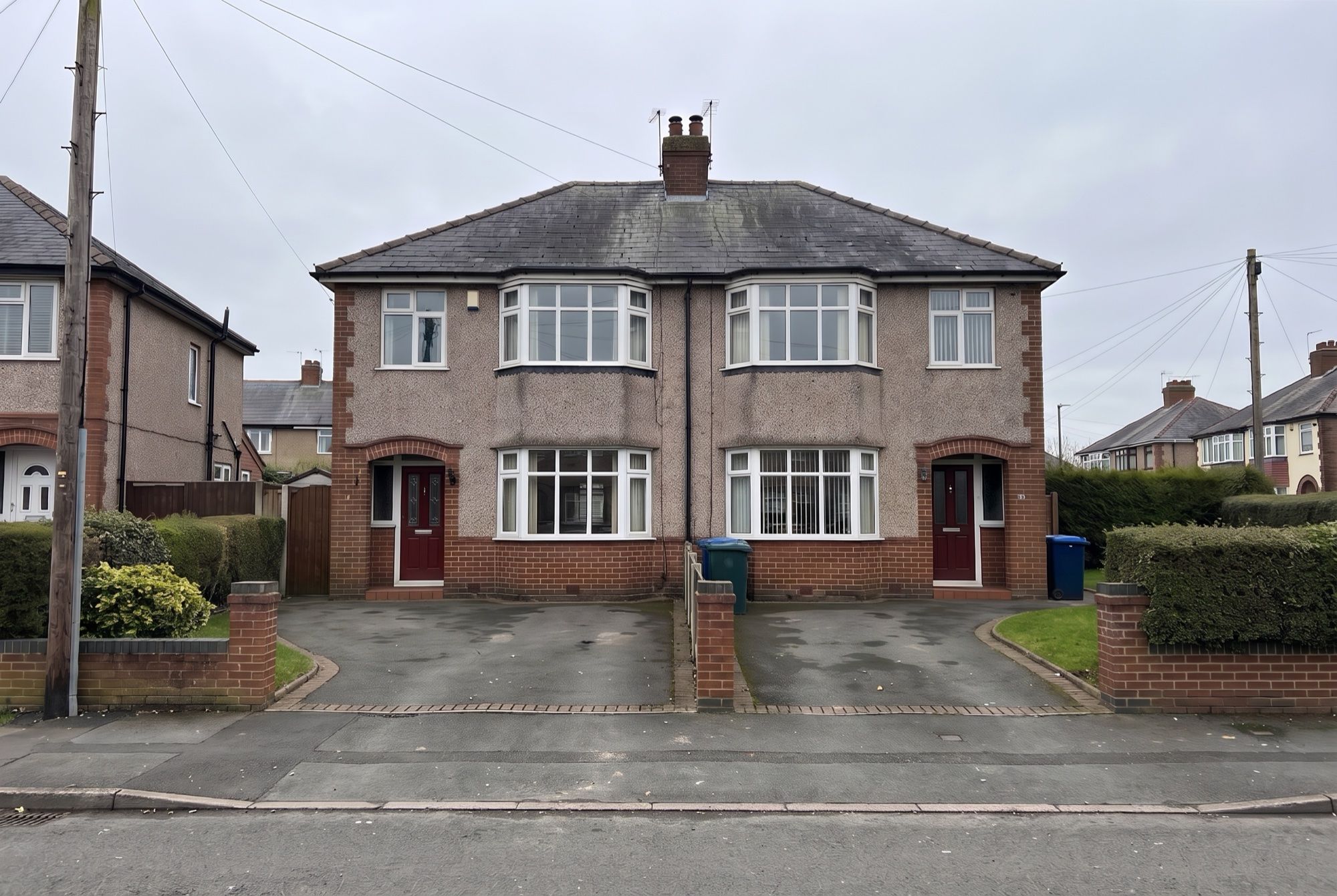
Semi-detached homes share a party wall, and the dividing wall in the loft is not always complete, so mice found in one kitchen may well have come through from next door. Wasps also tend to use the same loft and eaves spaces on both sides of a pair.
Signs to look for are droppings along skirting boards and in cupboards, scratching in walls or the loft in the evening, gnawed food packaging and a stale smell. Seal gaps round pipes, keep food in sealed containers and call us if the signs continue, so the whole pair of homes can be checked together.
Our services in Trafford
Commercial Pest Control in Trafford
Large industrial estates with waterside boundaries, open yards and constant deliveries need boundary monitoring, goods-in checks and records an auditor can follow.
Food Premises Pest Control in Trafford
Pests found in front-of-house areas, function rooms and stock cages can count against a food business as much as the kitchen, so every area belongs in the monitoring plan.
Rat & Mouse Control in Trafford
Rivers, canals and brooks give rats long travel routes, and when water levels rise they can be pushed out of bankside burrows towards buildings, so drains and boundaries are checked first.
Bird Control & Proofing in Trafford
Warehouse roofs and the canopies and ledges of retail buildings are the kind of structures pigeons roost on, so netting and post-and-wire proofing come first.
Pest Control for Landlords in Trafford
Where larger houses are converted into flats, mice moving through shared voids make whole-building surveys and written records important.
Domestic Pest Control in Trafford
Semi-detached homes share a party wall and loft, so mice and wasp problems often involve next door too.
Also available in Trafford:
Pest control in Trafford: your questions answered
Do you cover the whole of Trafford, including Trafford Park, Altrincham and Partington?
Yes. We work across the borough, from Trafford Park in M17 to Stretford in M32, Sale in M33 and Urmston, Davyhulme and Flixton in M41, plus Altrincham, Hale, Bowdon and Timperley in WA14 and WA15 and Partington and Carrington in M31. Some districts, such as M15, M16 and M23, are shared with Manchester, so we cover both sides of the boundary.
Which areas outside the kitchen should a hospitality venue include in pest monitoring?
All of them. Mouse evidence in a function room, bar or kiosk can count against a venue even when the kitchen is clean. For a stadium, hotel, bar or events space, that means monitoring hospitality suites, kiosks, bar backs, cellars, stock cages and bin stores, with a dated entry for every check and corrective action, so an officer can see control across the whole premises.
Goods reach our warehouse by rail and road. How do we stop pests arriving with them?
Start at goods-in. Inbound loads and pallets are a realistic route for mice and stored-product insects. Inspect deliveries before they enter storage, isolate damaged or contaminated loads, keep returned pallets and packaging off the main floor and log what you find. We add monitoring at dock doors and in the first storage bays, place insect traps where dry goods are held and report trends, which is what a BRCGS or retailer audit expects to see.
We run a kitchen in a shopping centre or food court. How do we show a problem did not start in our unit?
Keep your own evidence. Where kitchens trade side by side, pests can travel through shared ceiling voids, risers and waste routes. Your lease sets out who handles common areas, and managed centres usually run their own programme for those, but food safety responsibility stays with you as the operator. Documented inspections inside your unit, photographs of entry points and a record of proofing requests passed to management show an inspector that you found the risk and acted on it.
Do floods along rivers bring rats into homes and businesses?
They can. Heavy rain floods burrows on river banks and pushes rats onto higher ground. After a wet spell near a river, brook or canal, look for fresh holes beside walls and decking, droppings in garages and outbuildings, and lifted or damaged drain covers. We check the drains first, then bait or trap where needed and recommend proofing such as a non-return valve where a sewer route is confirmed.
There is demolition or major building work near our premises. Should we prepare?
Yes, before heavy works start. Clearing a large site disturbs burrows and old drains, and displaced rats head for the nearest food and shelter. Book a baseline inspection now, put monitored stations along your boundary and check door seals, waste stores and the points where pipes and cables enter. Keep the dated baseline report: if activity appears once works begin, it shows the problem arrived with them, which helps when you raise it with your landlord or the site's contractor.
We manage a mixed-use building with shops below or beside flats. Who handles pest control?
Usually three parties, but the leases decide. Commercial tenants normally look after the inside of their units, the freeholder or management company handles common parts such as bin stores, service yards, risers and roofs, and whoever lets each flat carries the landlord's repair duties. Pests ignore those lines, so one building-wide plan, site map and set of reports works better than separate treatments.
I own one flat in a converted house. How do I deal with mice that move between flats?
Treat the building, not just your flat. Mice move through shared floor voids, roof spaces and service runs, so one flat treated alone rarely stays clear. If you let the flat, section 11 of the Landlord and Tenant Act 1985 makes you responsible for structural repairs, and a serious pest hazard can make a home unfit under the Homes (Fitness for Human Habitation) Act 2018. Ask the freeholder and other owners to agree one survey; we put findings and proofing in writing.
Areas within Trafford
Last updated: