EnviroEx provides pest control and bird proofing for businesses, landlords and households around Manchester Airport and across Wythenshawe, including Sharston, Baguley and Northenden. We deal with rats, mice, cockroaches, bed bugs, wasps and pigeons, and supply written records for audits and inspections. Call us or use the enquiry form to arrange a prompt survey visit.
Freight sheds, hotels and lab space beside the runways
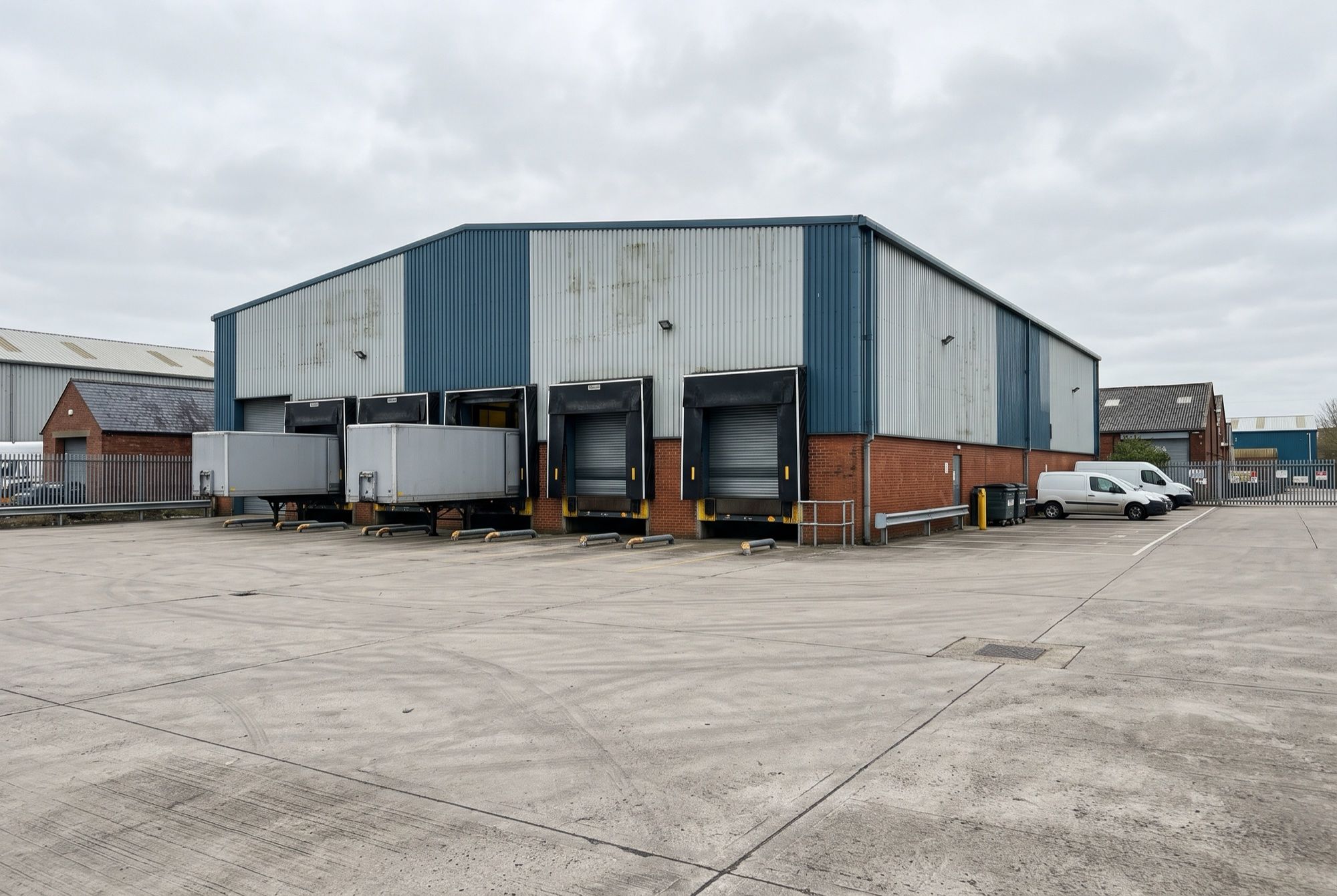
The commercial picture here is set by the airport. West of the original airfield, the World Freight Terminal has handled cargo since 1986 and holds roughly 510,000 square metres of warehouse and office space, with a World Logistics Hub planned across the A538. North of the M56, beside Manchester Airport station, the Airport City enterprise zone combines hotel, office and manufacturing space. Renamed MIX Manchester in 2024, it is now aimed at laboratories and research, and building work there continues.
Sites like these rarely have a single pest problem. A distribution shed takes in pallets, cardboard and packaging from many origins, and stored-product insects or a mouse can arrive inside a consignment as easily as under a door. A laboratory has clean areas where one sighting triggers an investigation. A hotel has kitchens, bin compounds and corridors of guest rooms, where one bed bug complaint quickly becomes a reputational matter.
Our commercial pest control contracts set visit frequency by risk rather than habit, and reports are written for whoever reads them next: a retailer’s auditor, a BRCGS Storage and Distribution assessor or a quality manager in a regulated lab.
Why do shared industrial estates need joined-up monitoring?
Wythenshawe has four named industrial estates. Roundthorn is part of Baguley in M23, Moss Nook and Ringway sit by the airport, the latter home to the Airport Cargo Centre, and Sharston lies where the M56 bypass meets the southern M60. Sharston began as a mainly industrial estate whose occupiers included a sorting office, a dairy and a Bisto factory, and its sectors are named after Greek letters.
Where an estate is multi-let, units share yards, skips, drains and sometimes roof voids, yet responsibility is divided: a landlord or managing agent usually controls the structure and common areas, while each tenant controls what happens behind its own shutter. Rats burrowing under a shared bin store take no notice of lease boundaries. Where several occupiers or an agent sign up together, we cover common areas and individual units on one plan and report shared defects, such as a cracked drain cover or a gap under a roller door, to whoever must fix them.
Kitchens, catering and the inspector’s file
Food businesses here range from hotel kitchens in the Airport City zone to outlets around Wythenshawe town centre, where the regeneration plans include a food hub with dining and social space. Kitchen size does not change the legal starting point. Food hygiene law, carried into UK law from Regulation (EC) 852/2004, requires adequate procedures to control pests, and environmental health officers judge those procedures partly from what is written down.
We write up each food premises visit so it can go straight into a HACCP plan or a Safer Food, Better Business pack: what was checked, what was found, which products were used and what the business must put right. A serious active infestation can lead to a hygiene emergency prohibition notice. A thin file, even with no droppings in sight, can still pull down the confidence-in-management part of a hygiene rating.
Why do pigeons settle on airport-side roofs and canopies?
Large-span warehouse roofs, loading canopies and the ledges and plant decks of new office and lab buildings give feral pigeons plenty of places to roost and nest. Typical spots are canopy steelwork above loading doors and lighting columns across car parks. Droppings foul vehicles, walkways and stock, and build up fast on flat roofs that nobody walks.
Our bird control work starts with a survey of where birds roost, loaf and nest, then specifies netting, post-and-wire or spikes for each beam, bay or ledge. All wild birds, their active nests and their eggs are protected under the Wildlife and Countryside Act 1981. In England, lethal control of pigeons is normally only lawful under the conditions of a general licence, and only where proofing and other non-lethal methods have proved ineffective or impractical. We therefore check for active nests before anything is fitted, clean fouled areas with suitable protective equipment, and plan work at height with method statements and site permits, outside operating hours where needed.
Building sites, a buried brook and the rat question
Two long construction programmes affect the area. In the town centre, a council-backed regeneration led by Muse plans shops, offices, a culture hub and up to 2,000 homes; the housing group’s page says a first phase of around 400 social-rent homes at Alpha House, Brotherton House and C2 The Birtles is expected to start on site in 2026. At the airport, MIX Manchester is still being built out. Groundworks open up old drains, voids and burrows, and displaced rats look for the nearest bin store, cellar or yard. Shops and offices near the town-centre plots are better served by monitoring set up before the hoardings go up than by a call after the first sighting.
Water adds to the pressure. The Mill Brook rises from springs in Woodhouse Park and Heald Green and stays culverted as far as Millbrook Road, before joining the Fairy Well Brook and running on to the Bridgewater Canal in Sale. The Mersey forms the northern edge of the area, with Northenden on its south bank. Culverts and riverbanks give rats sheltered, damp routes between gardens, yards and drains.
For rodent control near construction, we start with non-toxic monitoring blocks to show where activity is coming from. Bait goes into locked, tamper-resistant boxes only when the evidence justifies it, in line with CRRU stewardship guidance, and permanent baiting is not used as a default. Councils also hold powers under the Prevention of Damage by Pests Act 1949 to require owners and occupiers to deal with rats and mice, which is one more reason to keep a dated record of what has been done.
Homes on what was Europe’s largest council estate
Many councils run a pest control service for residents, but what is covered, who can book and the charges all vary and can change, so check the council’s own pest control pages before you book. If you rent from a council or housing association, report the problem to your landlord first. If you would rather book a private firm, phone or use the enquiry form and we will arrange a survey.
What does Manchester City Council offer?
Many councils offer a pest control service for residents, but which pests are covered, who can book and what it costs all vary and can change. Check the council's own pest control pages for current details before you book, and if you rent, ask your landlord who is responsible for treatment.
See the council's pest control page (checked 2026-10-24).
Local context that shapes pest problems in Manchester Airport & Wythenshawe
- Wythenshawe has four industrial estates, at Moss Nook, Ringway (home of the Airport Cargo Centre), Roundthorn and Sharston, and Manchester Airport and Wythenshawe Hospital rank among the biggest local employers. [Wikipedia]
- The airport's World Freight Terminal opened in 1986 to the west of the original airfield and holds around 510,000 square metres of warehouse and office space, with a World Logistics Hub planned on the far side of the A538. [Wikipedia]
- Airport City Manchester, selected as an enterprise zone in 2011, has a hotel, office and manufacturing zone next to Manchester Airport station north of the M56 and a second zone near the cargo centre; renamed MIX Manchester in May 2024, it now focuses on laboratory and research space and is still under construction. [Wikipedia]
- Sharston Industrial Estate was first mainly industrial, with occupiers including a post office sorting office, a dairy and a Bisto factory, and its sectors are named after letters of the Greek alphabet. [Wikipedia]
- A council-backed regeneration of Wythenshawe town centre led by Muse plans new shops, offices, a culture hub, a food hub and up to 2,000 homes, with a first phase of around 400 social-rent homes at Alpha House, Brotherton House and C2 The Birtles expected to start on site in 2026. [Wythenshawe Community Housing Group]
- Planned as a garden city after the land was identified in 1920, Wythenshawe grew into Europe's largest council estate at about 11 square miles; its council houses later moved to housing associations that merged in 2013 as Wythenshawe Community Housing Group, responsible for about 14,000 homes. [Wikipedia]
- Baguley was largely built up after the Second World War as part of the Wythenshawe estate, with council houses and tower blocks, and much of that social housing was later bought under Right to Buy. [Wikipedia]
- The Mill Brook rises from springs in Woodhouse Park and Heald Green and is culverted from its source to Millbrook Road, then meets the Fairy Well Brook and flows into the Bridgewater Canal in Sale. [Wikipedia]
- The River Mersey runs along the northern edge of the area, with Northenden on its south bank, and south Manchester tributaries feeding it include Gatley Brook and Micker Brook. [Wikipedia]
- Northenden's character comes largely from Victorian and Edwardian building, followed by suburban housing in the first half of the 20th century and redevelopment as an overspill estate in the mid-20th century; it had 15,064 residents at the 2021 census. [Wikipedia]
Our services in Manchester Airport & Wythenshawe
Commercial Pest Control in Manchester Airport & Wythenshawe
The World Freight Terminal's warehousing and the Roundthorn, Sharston, Moss Nook and Ringway estates take in pallets, cartons and packaging, so logistics and manufacturing units need risk-based visits and reports an auditor will accept.
Food Premises Pest Control in Manchester Airport & Wythenshawe
Hotel kitchens in the Airport City zone and the food hub planned for the rebuilt town centre answer to the same food hygiene law, and inspectors judge pest control partly on the records a business keeps.
Bird Control & Proofing in Manchester Airport & Wythenshawe
Large-span warehouse roofs and loading canopies, plus the office and laboratory space still being built at MIX Manchester, give feral pigeons steelwork and ledges to roost on above goods-in areas and walkways.
Rat & Mouse Control in Manchester Airport & Wythenshawe
Groundworks for the town-centre regeneration, expected to start in 2026, and the culverted Mill Brook beneath the estate give rats disturbed ground and hidden routes towards bin stores, cellars and yards.
Pest Control for Landlords in Manchester Airport & Wythenshawe
Landlords are usually responsible for repairs that let pests in, so a dated inspection record and written reports to tenants help show action was taken promptly.
Cockroach Control in Manchester Airport & Wythenshawe
Post-war tower blocks of the kind built in Baguley usually link flats through service risers and pipe runs, so German cockroaches in one kitchen can spread through a block unless neighbouring units are treated too.
Also available in Manchester Airport & Wythenshawe:
Pest control in Manchester Airport & Wythenshawe: your questions answered
Do you cover Sharston, Baguley, Northenden and Woodhouse Park, or only the airport?
We cover the whole area, not just the airport side. That takes in Sharston and Northenden in M22, Baguley and the Roundthorn estate in M23, the airport's own M90 district, and the streets of Woodhouse Park and Moss Nook beside it. Commercial clients on the industrial estates and households across the estate are both looked after, and we also work across the boundary into Trafford and Stockport, so a business with sites on both sides can keep one contract.
What does Manchester City Council offer for pest control in Wythenshawe?
Many councils run a pest control service for residents, but what is covered, who can book and the charges all vary and can change, so check the council's own pest control pages before you book. If you rent from a council or housing association, report the problem to your landlord first. If you would rather book a private firm, phone or use the enquiry form and we will arrange a survey.
I rent from Wythenshawe Community Housing Group. Does the council's free treatment cover me?
Council services and charges change, so check the council's own website for the current position, and if you rent, ask your landlord first.
Can you service a warehouse near the World Freight Terminal without disrupting goods-in?
Yes. Visits to logistics units are planned around dock schedules, so loading bays, racking and goods-in areas can be inspected at quieter times agreed with the site team. Every monitoring point is numbered on a site plan, and each visit produces a report covering activity, actions taken and proofing defects such as worn door seals or gaps around dock levellers. Those records are laid out to support a BRCGS Storage and Distribution audit or a customer's own pest-management requirements.
Will the town-centre rebuild bring rats into nearby shops and homes?
It can. Groundworks for the regeneration, with a first phase of around 400 homes expected to start on site during 2026, can disturb old drains, voids and burrows, and displaced rats tend to head for the nearest food and shelter. Premises close to the sites should check door seals, drain covers and bin areas now. Businesses may also want monitoring stations in place before work begins, so any rise in activity is caught and recorded early.
Our business is taking space at MIX Manchester. Should bird proofing be planned before we move in?
Usually, yes. MIX Manchester is still being built, with its focus now on laboratory and research space, and new buildings often leave ledges, plant decks and canopy steelwork that pigeons adopt quickly. Netting or post-and-wire specified while access equipment is still on site is far less disruptive than retrofitting over occupied rooms. For laboratories, keeping birds and droppings away from air intakes and plant also protects clean areas. We check for active nests first, because they are protected under the Wildlife and Countryside Act 1981.
We live in an older house in Northenden near the Mersey. Are rats more likely?
Living near water does not mean you will get rats, but it can make a visit more likely. Northenden sits on the south bank of the Mersey, and riverbanks give rats cover, water and routes into gardens. Victorian and Edwardian houses often have suspended timber floors, airbricks and ageing drains, which are the usual ways in. We survey the outside first, proof gaps and damaged airbricks, check the drains, and use bait only in locked boxes where the evidence shows it is needed.
Nearby areas we cover
Sources (10)
Last updated: